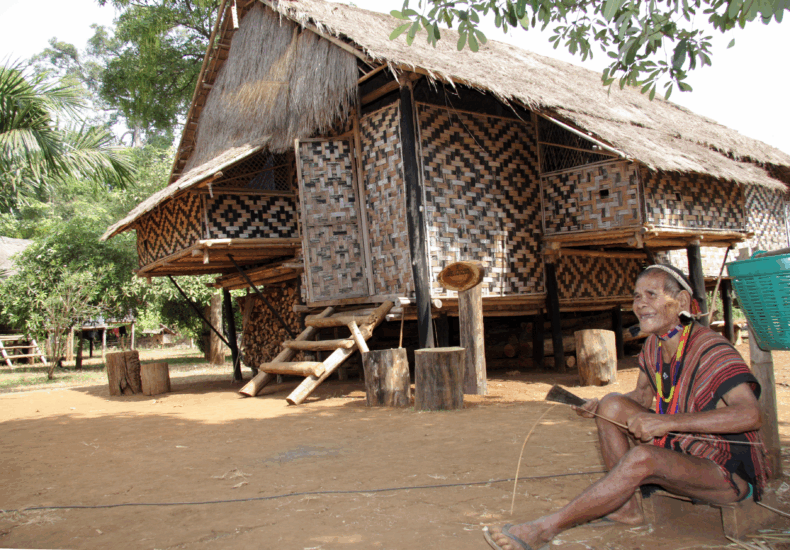
The Ethnic Groups of Laos: Culture, Traditions, and Everyday Life
Laos is home to a rich diversity of ethnic groups, which play a central role in shaping the country’s culture, traditions, and ways of life. Rather than being defined by one single identity, Lao society is made up of many communities with different languages, customs, clothing styles, and relationships with the land. Understanding these ethnic groups helps travelers better appreciate everyday life in Laos, especially outside major cities.
Broadly, ethnic groups in Laos are often described according to where they traditionally live—in lowlands, midlands, or highlands—rather than by strict ethnic labels alone. This approach reflects how geography, farming practices, and environment influence culture.
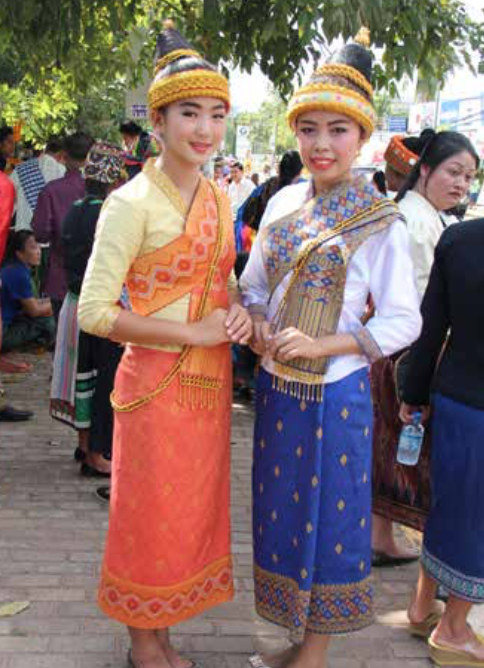
The largest group is commonly known as Lao Loum, who traditionally live in river valleys and lowland areas, especially along the Mekong River. Lao Loum communities make up the majority of the population and are closely associated with Lao language, Buddhism, wet-rice farming, and many national customs. When visitors think of “Lao culture” in daily life—temples, festivals, food, and language—it is often Lao Loum traditions they encounter.
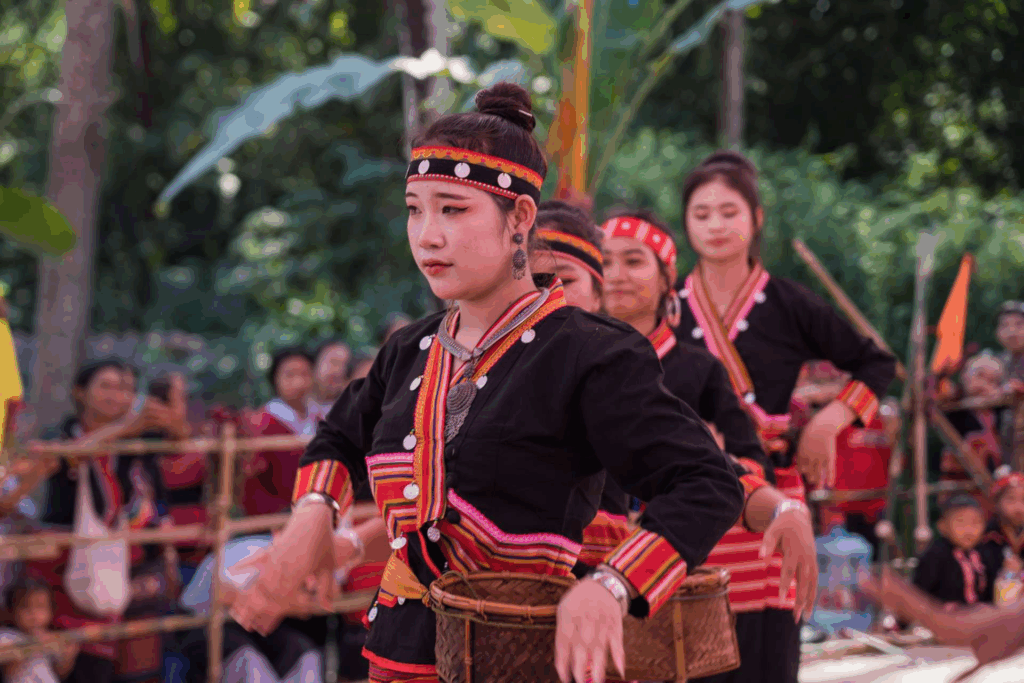
In upland and mid-altitude areas, groups collectively referred to as Lao Theung are found, with the Khmu being one of the largest among them. Khmu communities live mainly in northern and central Laos and have strong traditions connected to forest life, shifting cultivation, and village-based beliefs. Their culture is deeply tied to nature, with rituals connected to spirits, land, and ancestors.
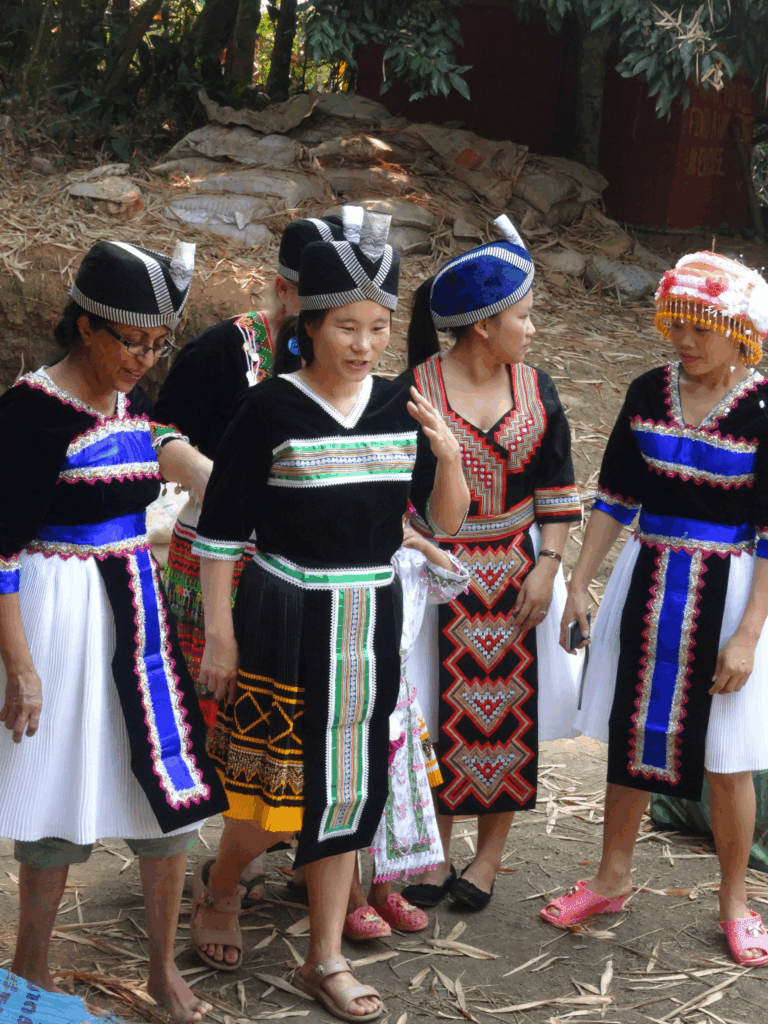
Highland regions of Laos are home to groups often referred to as Lao Sung, including the well-known Hmong and Akha. These communities traditionally live at higher elevations and are known for their distinctive clothing, embroidery, silver jewelry, and strong clan systems. Hmong and Akha villages are commonly found in northern Laos and mountainous areas, and many travelers encounter them while trekking or visiting rural regions.
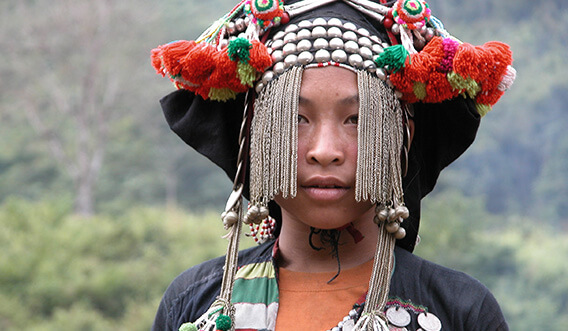
Other ethnic groups in Laos include Tai-speaking communities, Mon-Khmer groups, and Tibeto-Burman groups, each with their own languages, belief systems, housing styles, and social structures. In total, Laos officially recognises more than 49 ethnic groups, making it one of Southeast Asia’s most culturally diverse countries relative to its population size.
For travelers, this diversity is visible in village architecture, traditional dress worn during festivals, local markets, food variations, and daily customs. It is important to approach ethnic communities with respect, ask before taking photographs, and understand that these are living cultures—not tourist displays.