Culture and Local Life in Nong Khiaw – Muang Ngoi

Life in Nong Khiaw and Muang Ngoi follows a gentle, unhurried rhythm shaped by the Nam Ou River, the surrounding limestone mountains, and long-established traditions. Culture here is not something staged for visitors; it is expressed quietly through daily routines, household crafts, food, and spiritual practice.
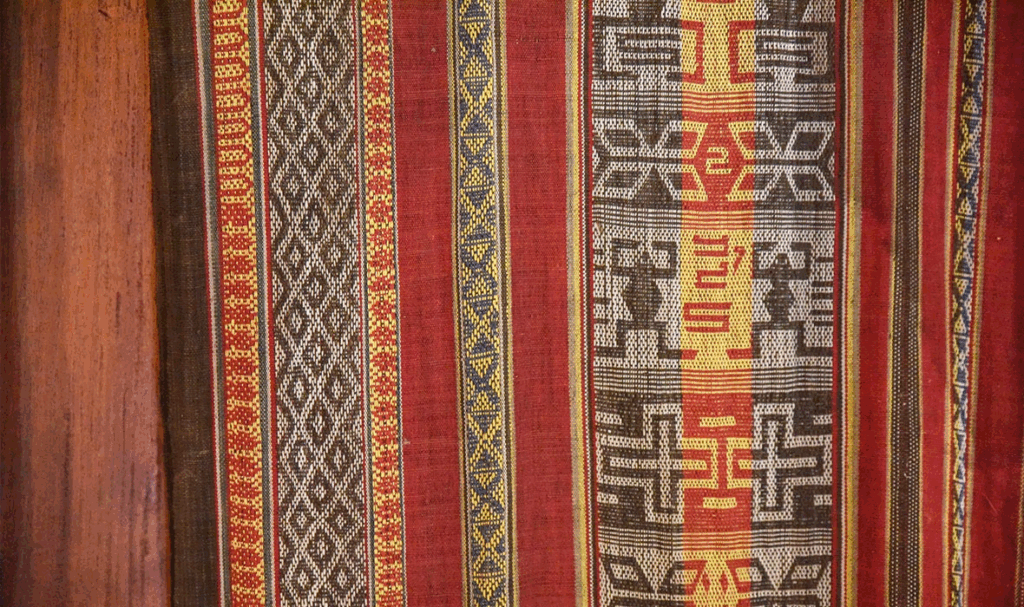
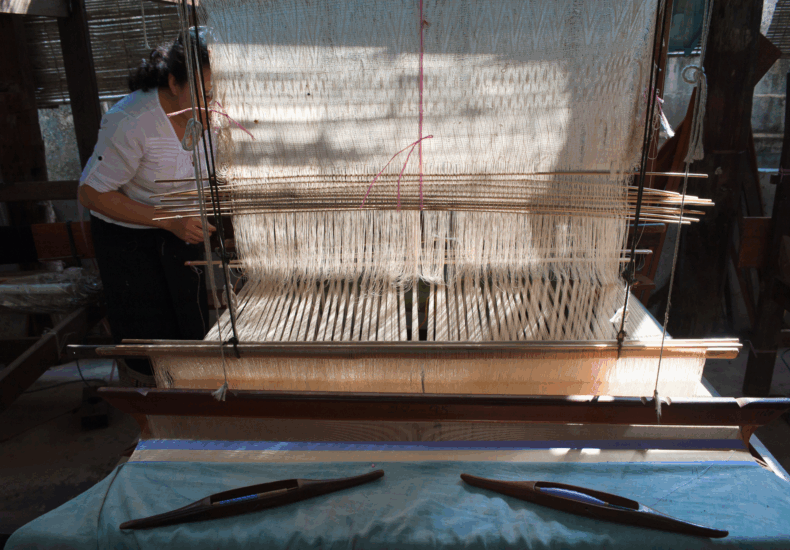
Weaving remains an important part of everyday life, particularly for women in the villages. Textiles are woven at home on simple wooden looms, often during calm hours of the day. The patterns are not merely decorative. Many designs carry symbolic meanings connected to protection, fertility, nature, or continuity between generations. Colors are traditionally drawn from natural sources, resulting in deep indigo, soft reds, and earth tones. Each piece reflects the weaver’s personal skill and time rather than mass production. When purchasing textiles, visitors are encouraged to buy directly from village homes or small local stalls. Doing so supports household income and helps sustain a tradition that has been passed down for generations. Asking permission before touching fabrics and accepting fair, fixed prices are part of respectful engagement.
Temple life is woven into the daily rhythm of the community. Temples serve as places of worship, learning, and quiet reflection rather than tourist attractions. Mornings begin early, with villagers starting their work and monks moving calmly within temple grounds. Afternoons slow as the heat rises, and evenings return to stillness, often marked by prayer and family time. Visitors are welcome to observe temple life, provided they do so respectfully. Modest dress, removing shoes before entering buildings, and maintaining silence are essential. Photography should always be discreet, and people should never be photographed during prayer without consent.
Food in Nong Khiaw and Muang Ngoi reflects the simplicity of local life. Meals are based on seasonal ingredients and traditional cooking methods. Sticky rice is present at nearly every meal, accompanied by grilled or lightly seasoned river fish, vegetable soups, and chili-based dips served with fresh or steamed greens. The flavors are clean and balanced, shaped by what is available rather than by elaborate preparation. Eating locally often means sharing home-style dishes in small family-run restaurants or guesthouses, where food is prepared with care rather than speed.
Spending time in these communities offers subtle lessons. Visitors often notice patience, restraint, and a strong sense of connection between people and their environment. Life is guided by natural cycles rather than schedules, and well-being is found in sufficiency rather than excess. These values are not explained directly but are visible in the way people work, eat, rest, and interact.
Visiting Nong Khiaw and Muang Ngoi is best approached with calm attention. By slowing down, observing, and engaging respectfully, travelers can appreciate not only the natural beauty of the area but also the depth of everyday life that continues quietly along the river.