Lao Food Guide
Delicious Dishes You Should Try — and a Few to Enjoy Carefully
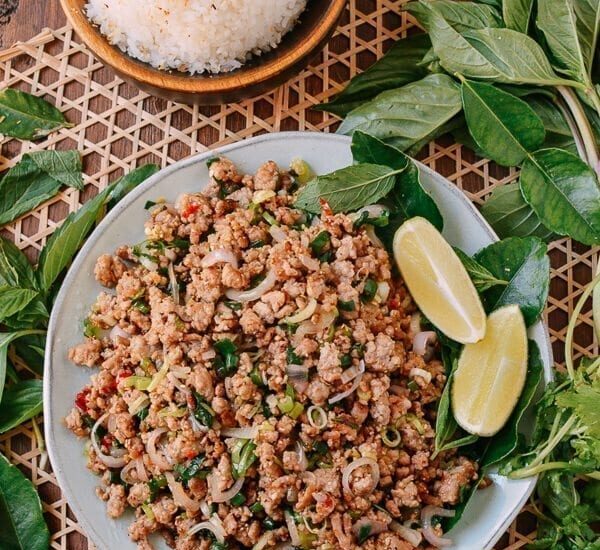
Lao food is full of fresh herbs, bright flavors, and simple ingredients that make every dish feel homely and comforting. Eating in Laos can be a wonderful experience, and trying local food is one of the best ways to understand the culture. Many travelers fall in love with dishes like laap, tam mak hoong, and grilled meat, while others discover new flavors they never expected. Still, like in any country, some foods are best enjoyed with a little awareness, especially if your stomach is sensitive or if you’re new to Southeast Asian cuisine.
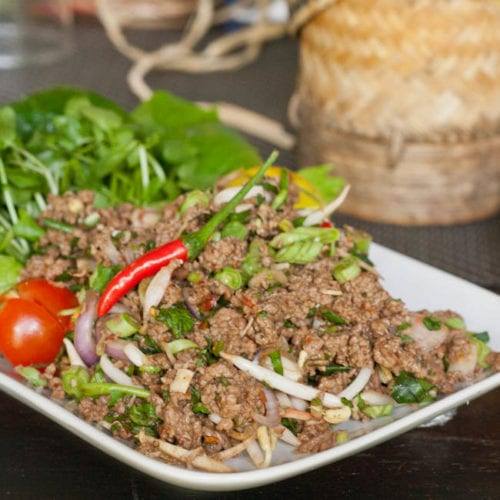
If it’s your first time in Laos, start with the classics. Laap is a national treasure — a refreshing mix of minced meat, lime, chili, and fresh herbs. Sticky rice is the heart of every Lao meal, eaten with your hands and paired with almost everything. Grilled chicken, river fish, and crispy fried pork are simple but delicious options found in most restaurants. Tam mak hoong, often called papaya salad, is spicy, sour, and full of flavor. It’s one of the most popular dishes, especially if you ask for a milder version. Khao piak sen, a comforting noodle soup, is perfect for travelers who want something warm and gentle on the stomach after a long travel day.
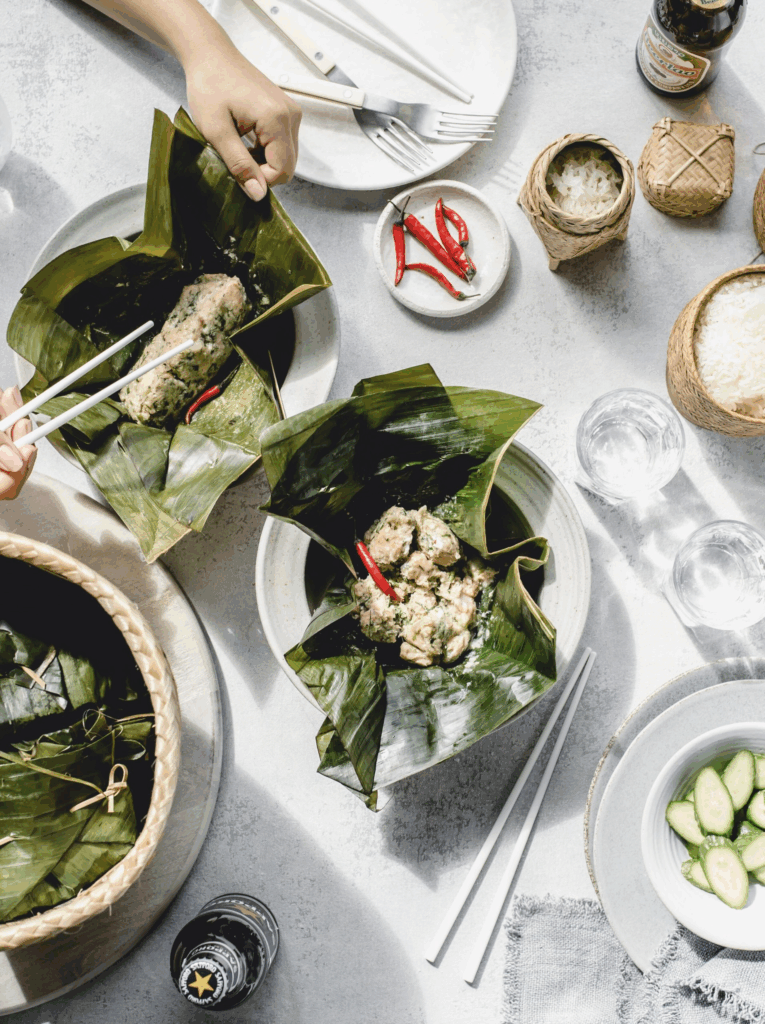
Many visitors also enjoy trying mok pa (steamed fish wrapped in banana leaves), or khao soi Lao style, which is completely different from the Thai version. Lao sausages, known as sai oua, are another favorite, packed with herbs and grilled until fragrant. These dishes are safe, tasty, and easy to find everywhere—from small village shops to modern cafés.
While most Lao food is perfectly safe, there are a few things worth approaching with care, especially for foreigners. Some versions of laap are made with raw meat or raw animal blood. Locals enjoy these traditional styles, but they can upset sensitive stomachs and are not recommended for travelers. If you order laap, it’s always okay to say you want it cooked, and restaurants are happy to prepare it that way.
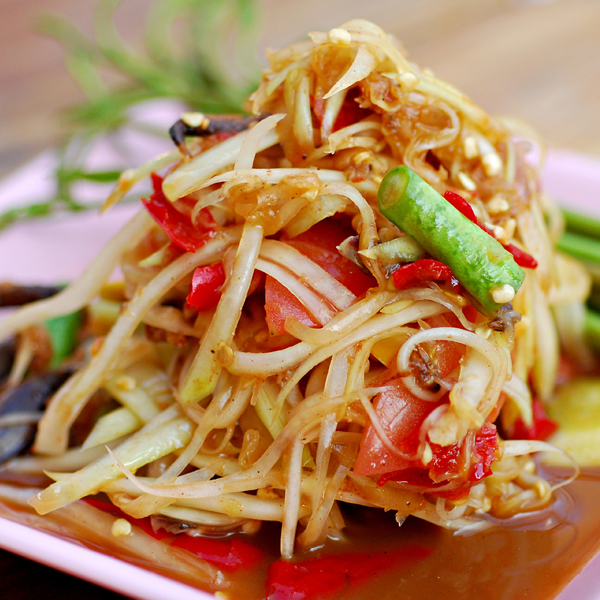
Papaya salad is wonderful but often extremely spicy, and some versions use fermented fish sauce called padek. Padek gives a strong, traditional flavor that many people love, but it’s unfamiliar to many foreigners. If you are not used to strong fermented ingredients, you can ask for papaya salad “without padek” or choose a mild version. Street food grills and fresh markets are popular and delicious, but it’s best to choose vendors that look clean, busy, and well-prepared. Food that has been sitting out in the heat for too long is risky anywhere in the world, so following your instinct is always helpful.
Fresh fruit shakes are everywhere, and they taste amazing. Just remind the vendor to avoid adding extra sugar syrup or condensed milk if you prefer something lighter. Ice is usually safe in restaurants and cafés, as most places use factory-made ice. Water from the tap should not be drunk directly, but bottled water is inexpensive and easy to find.
Trying Lao food is one of the most enjoyable parts of traveling in the country. The flavors are bold but balanced, and every dish has its own story. With a little awareness, you can enjoy everything confidently and safely. Whether you’re eating beside the Mekong River, relaxing in a small village, or exploring Vientiane or Luang Prabang, you will discover that Lao cuisine is warm, generous, and full of personality — just like the people.